Diving the Zenobia Wreck in Cyprus: What You Need to Know
The Zenobia wreck in Larnaca, Cyprus is one of the Mediterranean's most famous dive sites and one of top 10 dive wreck dives in the world.
Lying around 1.5km off the coast of Larnaca, the 172-metre Swedish cargo ferry sank on 7 June 1980 on her maiden voyage. Today, the wreck sits on her port side at depths reaching around 42 metres, with much of her cargo still scattered throughout the ship.
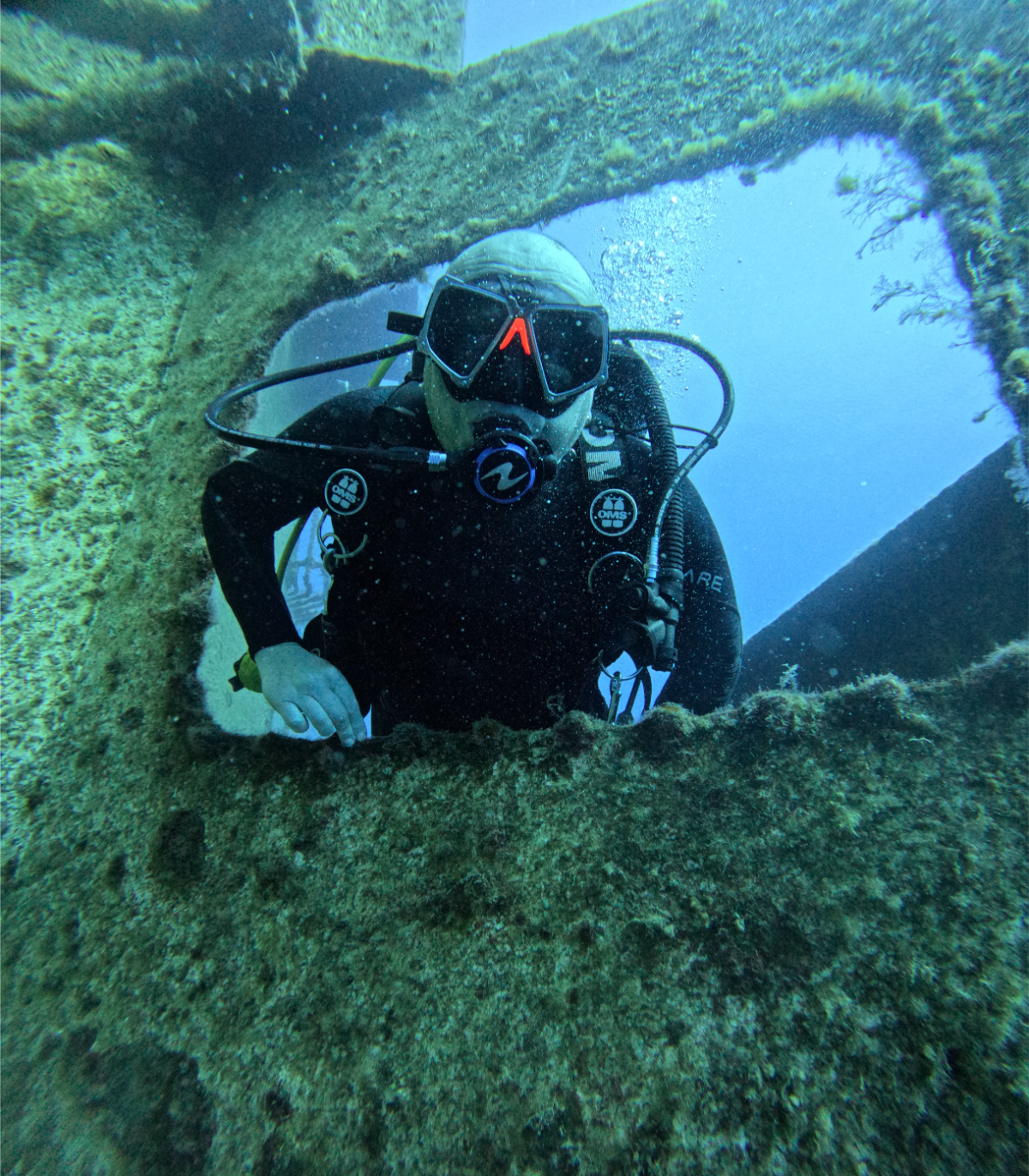
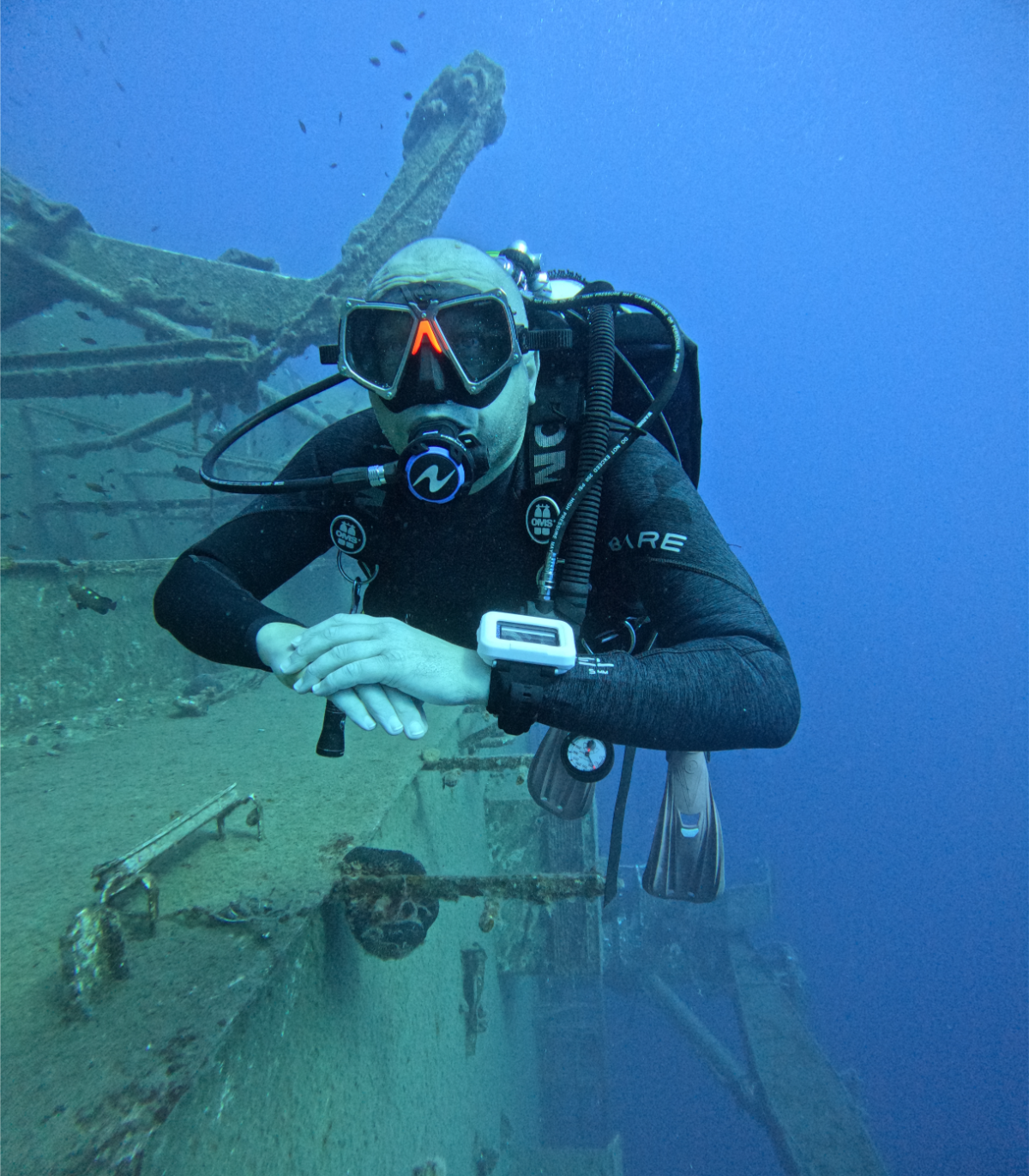
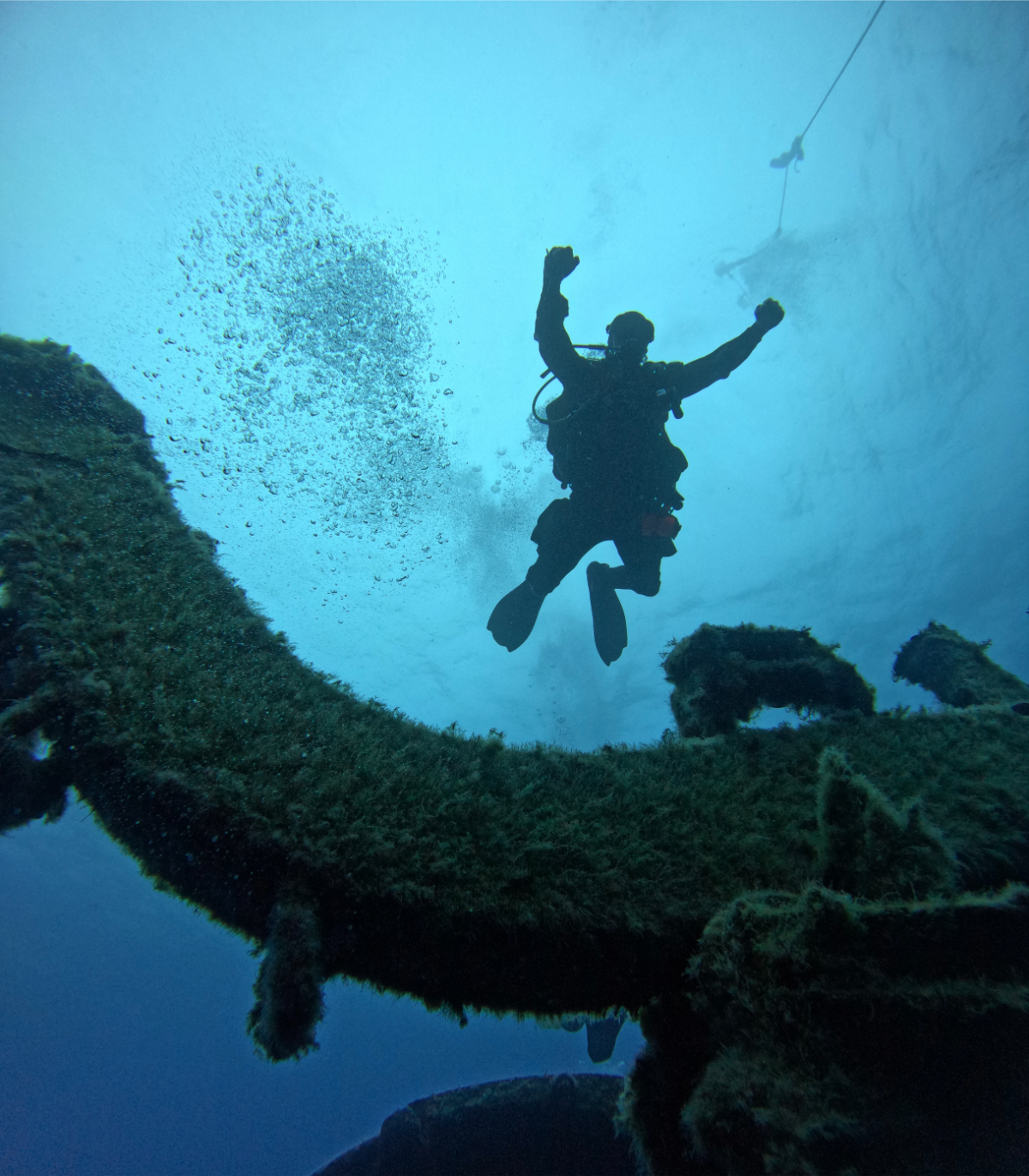
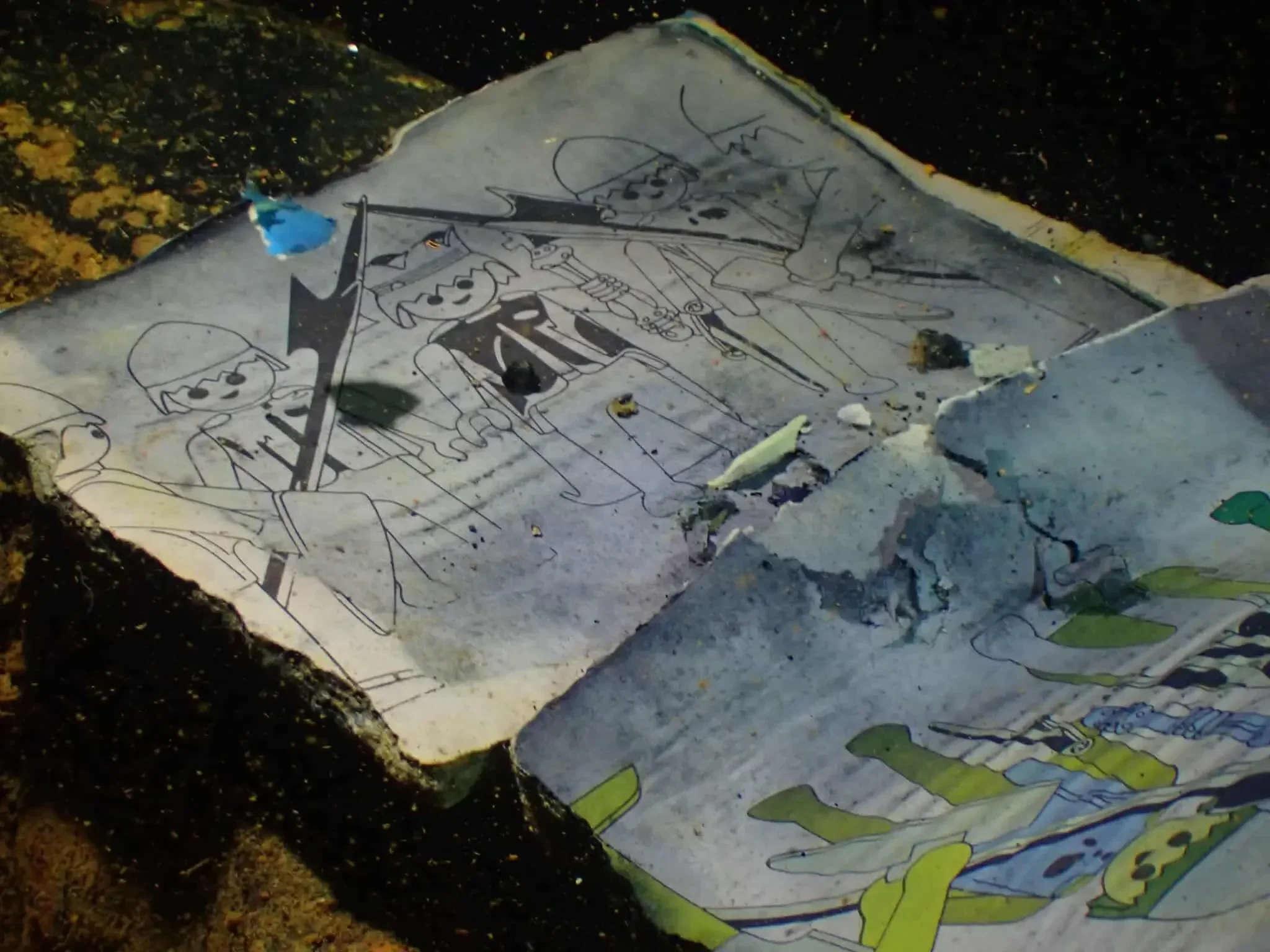
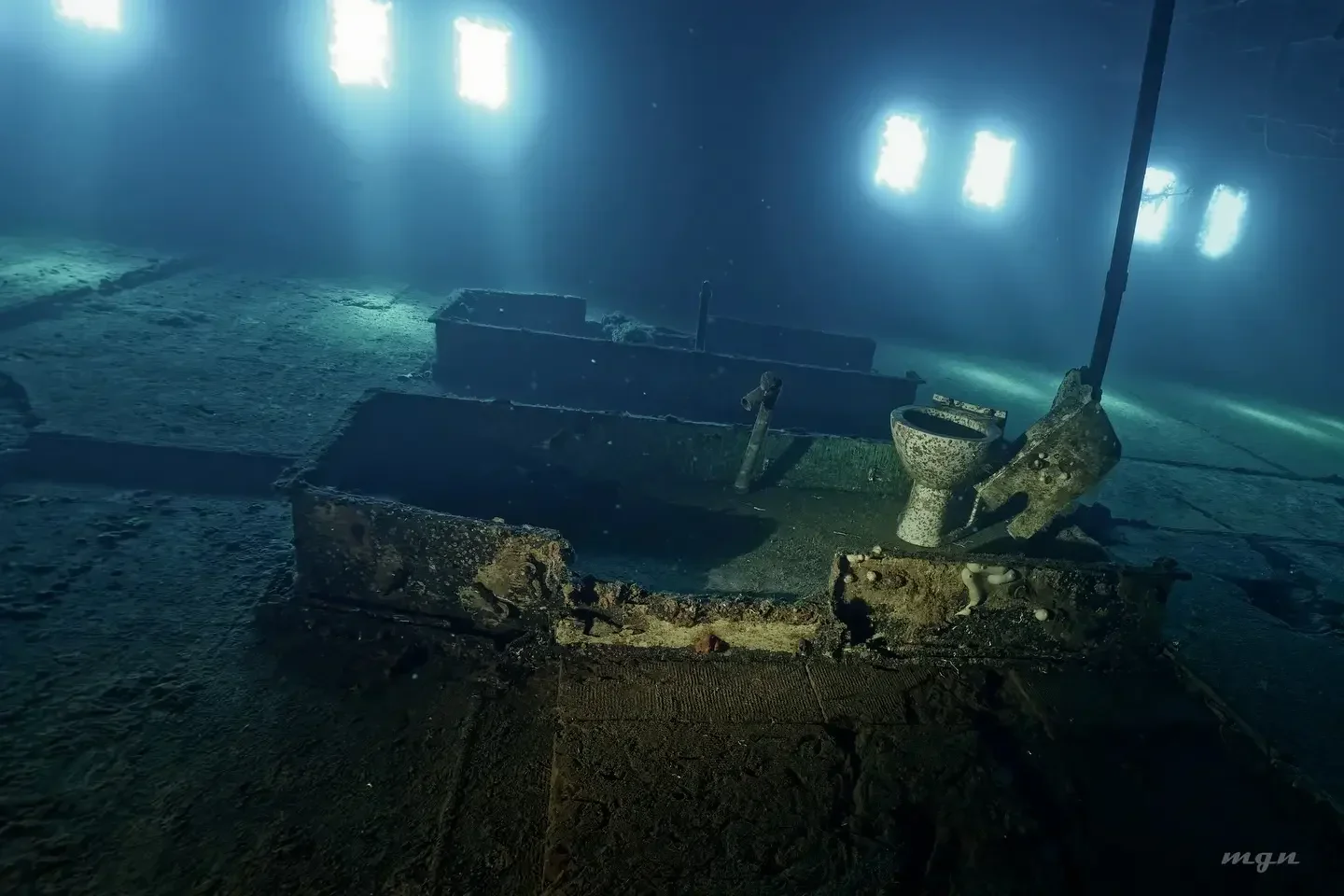
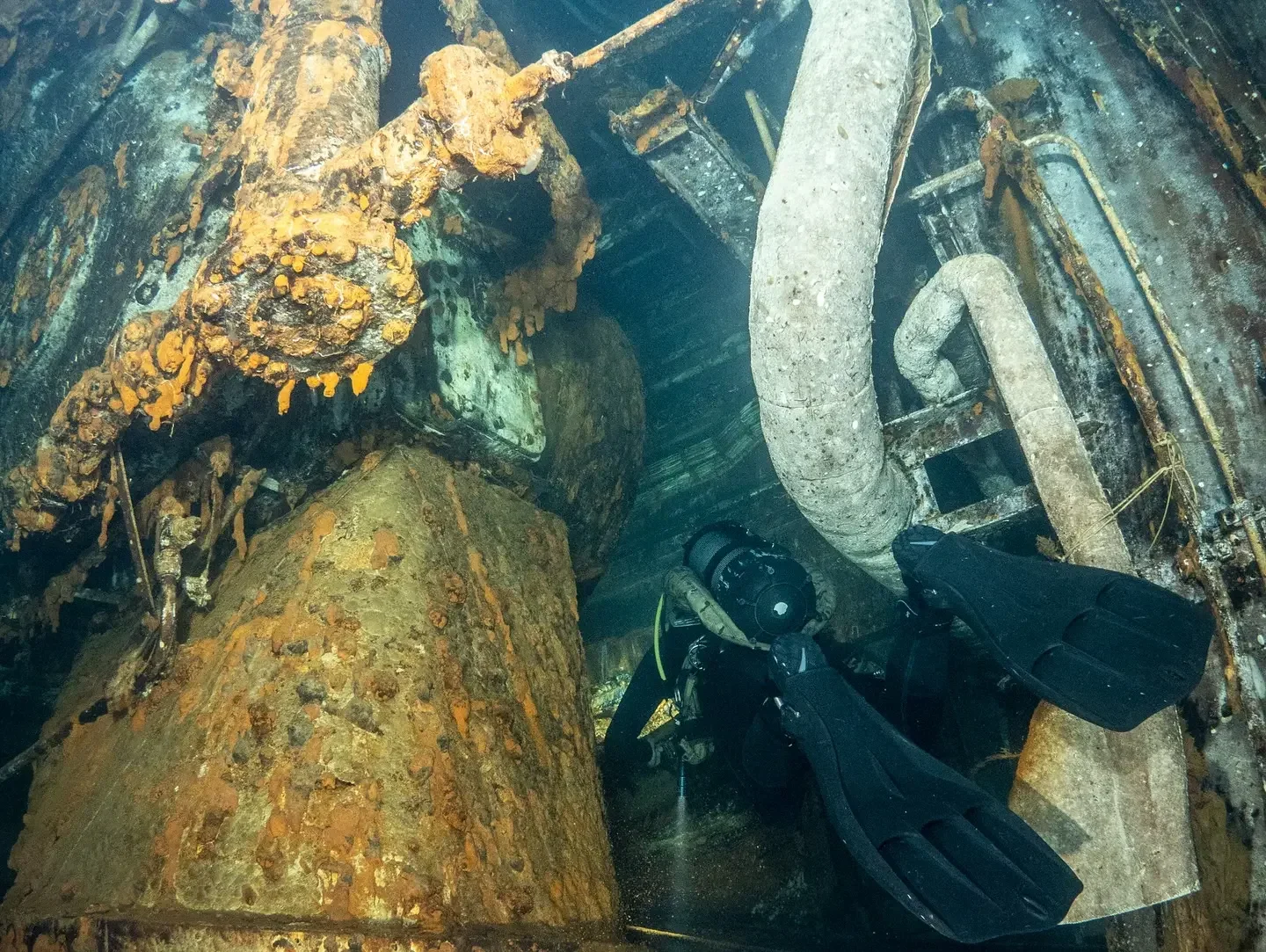
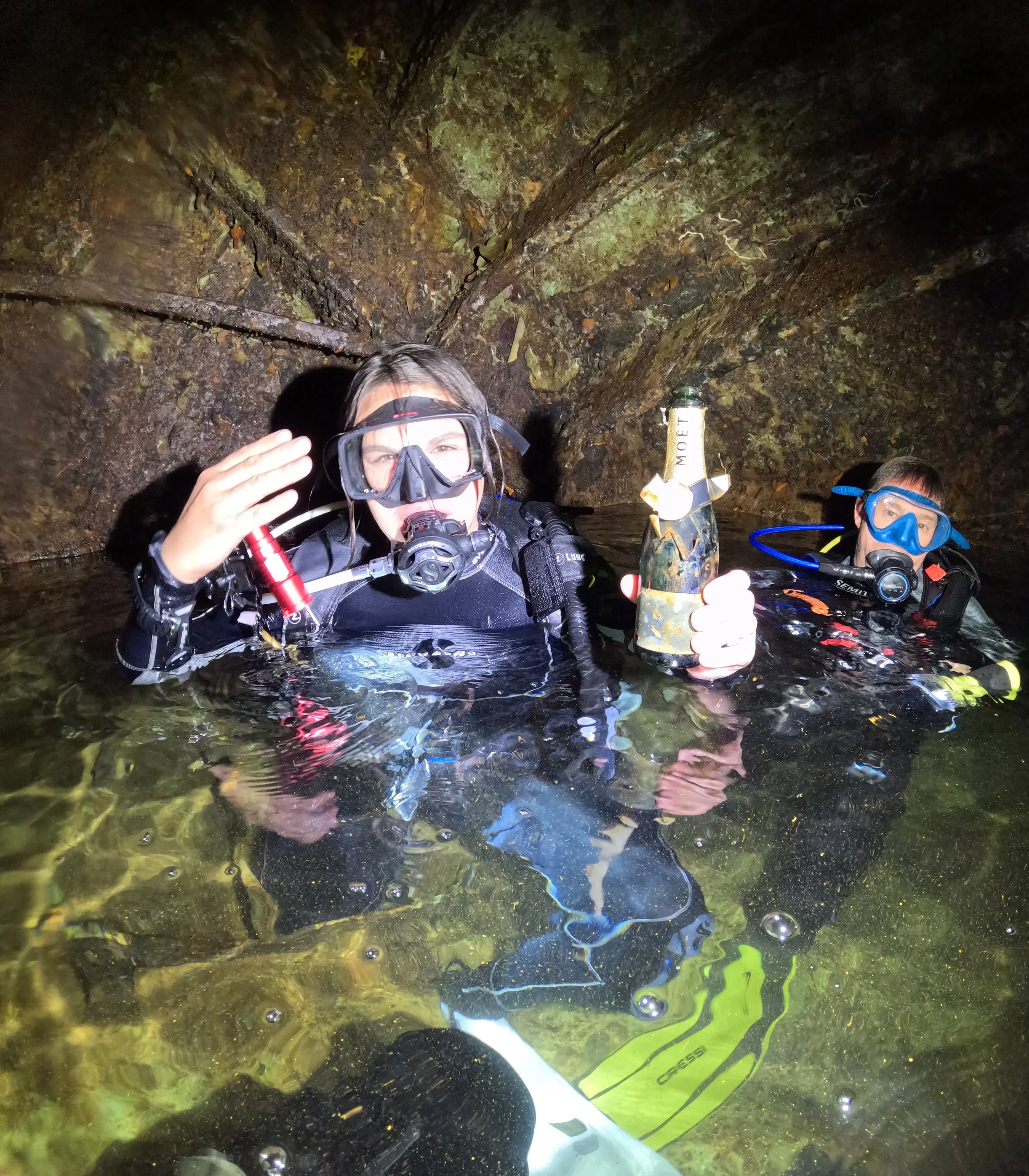
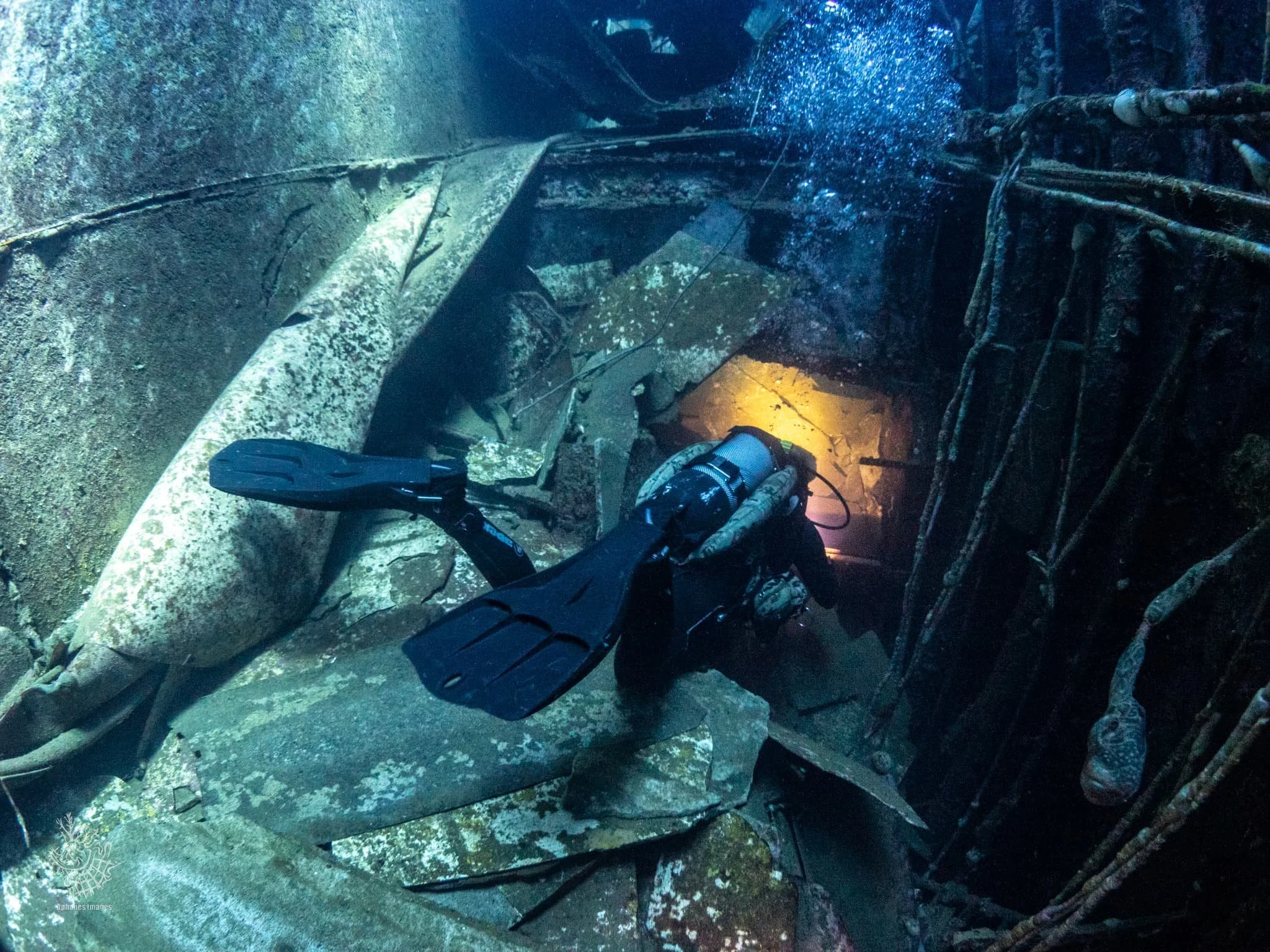
For divers, the Zenobia is much more than a shipwreck. There are enormous cargo decks, trucks still chained in place, huge propellers, accommodation areas, swim-throughs and an incredible variety of marine life.
If you're planning a Zenobia dive in Cyprus, here's what you need to know.
What is the Zenobia wreck?
The MS Zenobia was a Swedish roll-on/roll-off ferry built in 1979. She was designed to transport trucks and cargo between Europe and the Middle East.
During her maiden voyage in 1980, problems with the ship's ballast system caused her to develop a severe list. After being towed away from Larnaca harbour, the Zenobia sank on 7 June 1980, coming to rest on her port side.
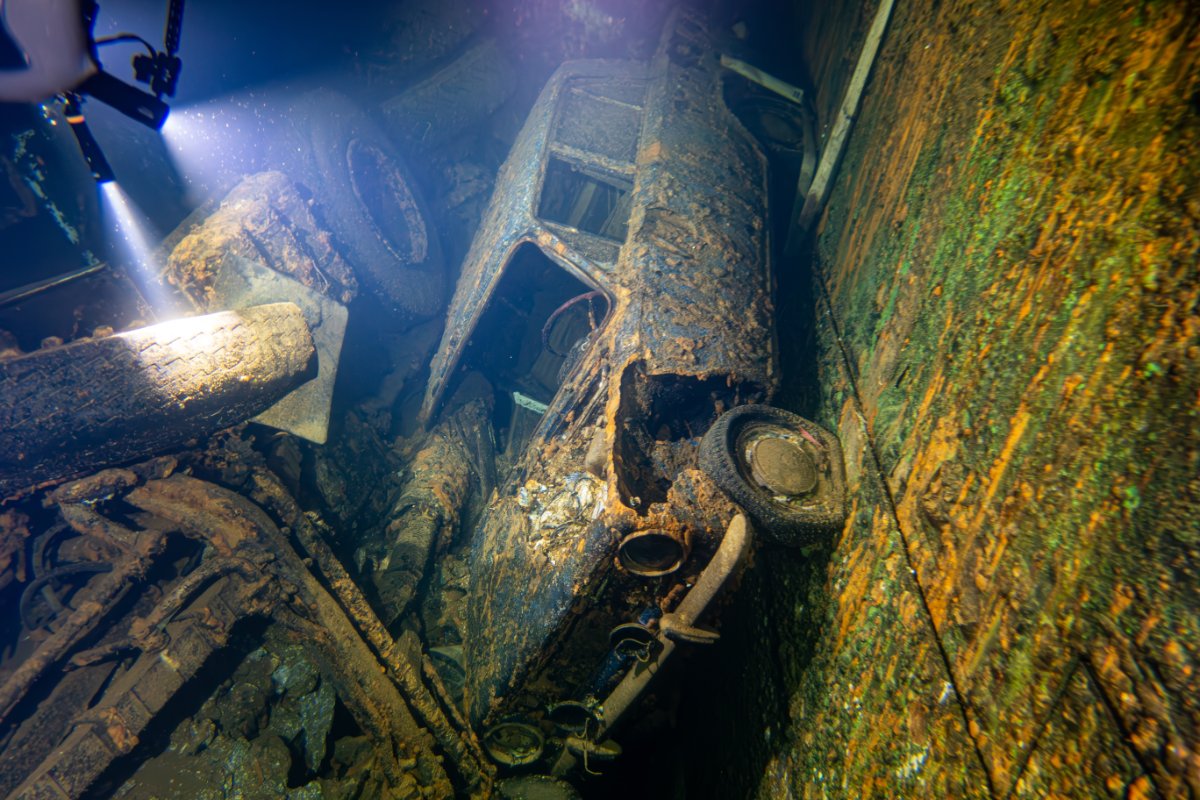
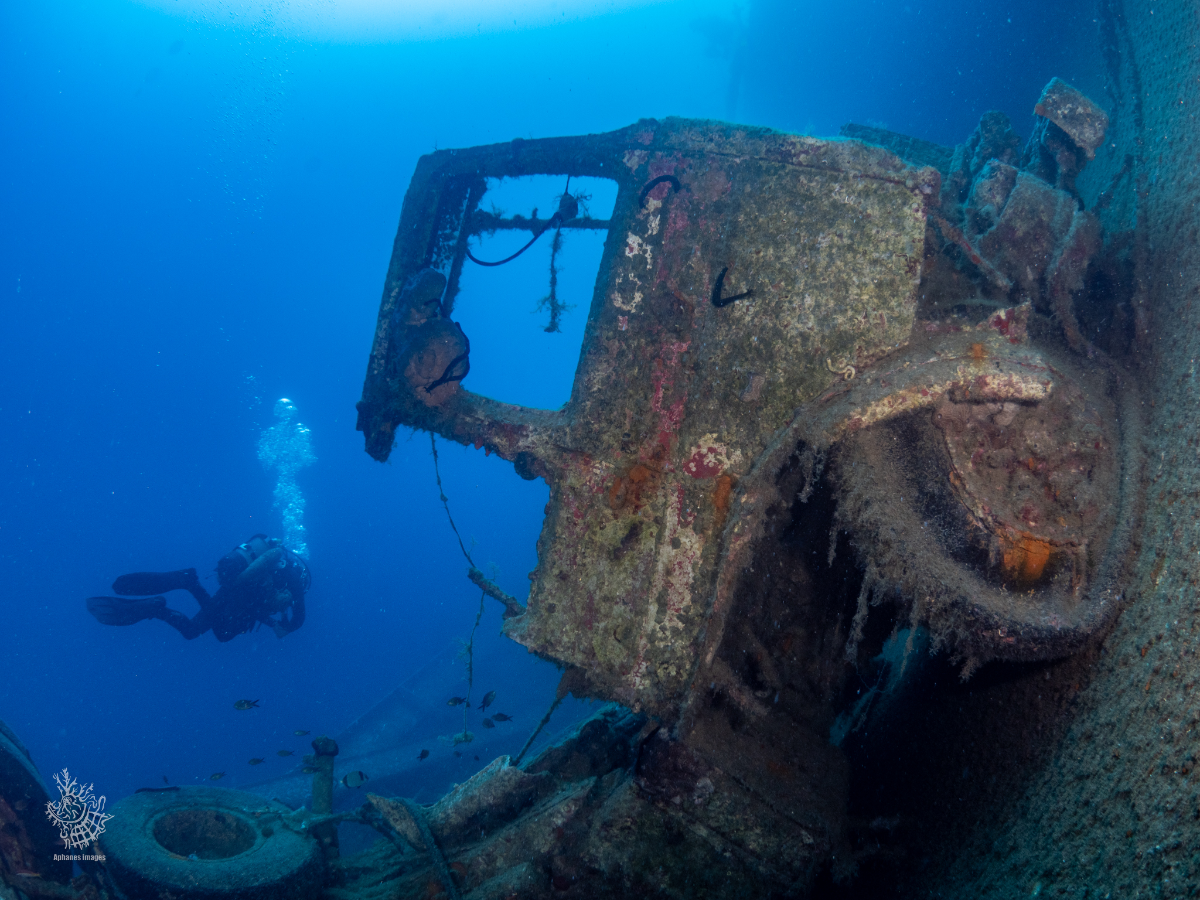
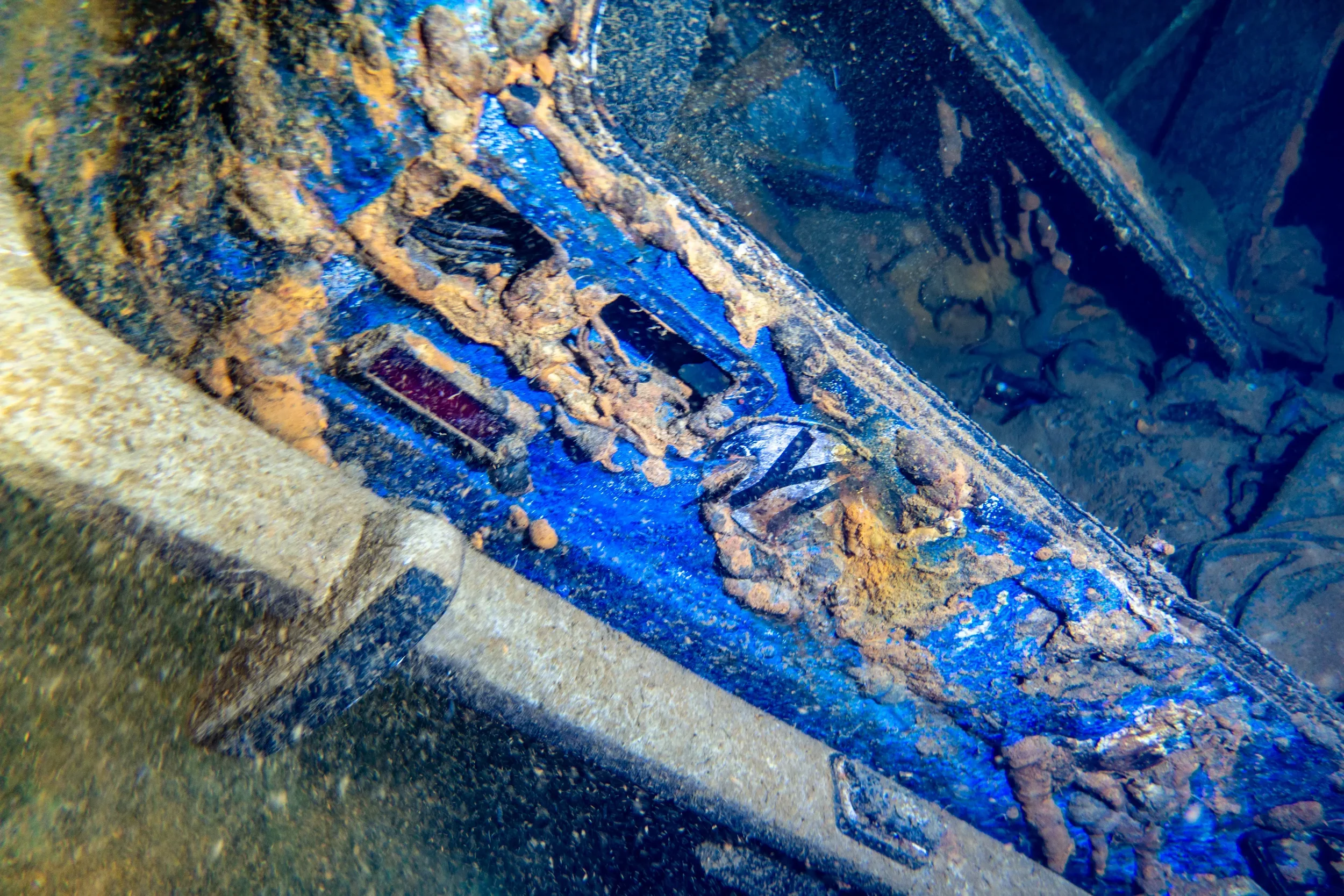
More than 100 articulated trucks went down with the ship, many of which remain on the wreck today.
The result is a remarkably unusual dive site, part historic shipwreck, part underwater time capsule and part artificial reef.
Where is the Zenobia wreck?
The Zenobia lies in Larnaca Bay, Cyprus, approximately 1.5km from the coast.
The wreck is only accessible by boat, making a Zenobia dive an easy addition to a diving trip based in Larnaca.
The site ranges from around 16 metres to 42 metres, depending on the section of the wreck being explored.
What is it like to dive the Zenobia?
The sheer size of the Zenobia is one of the first things you'll notice.
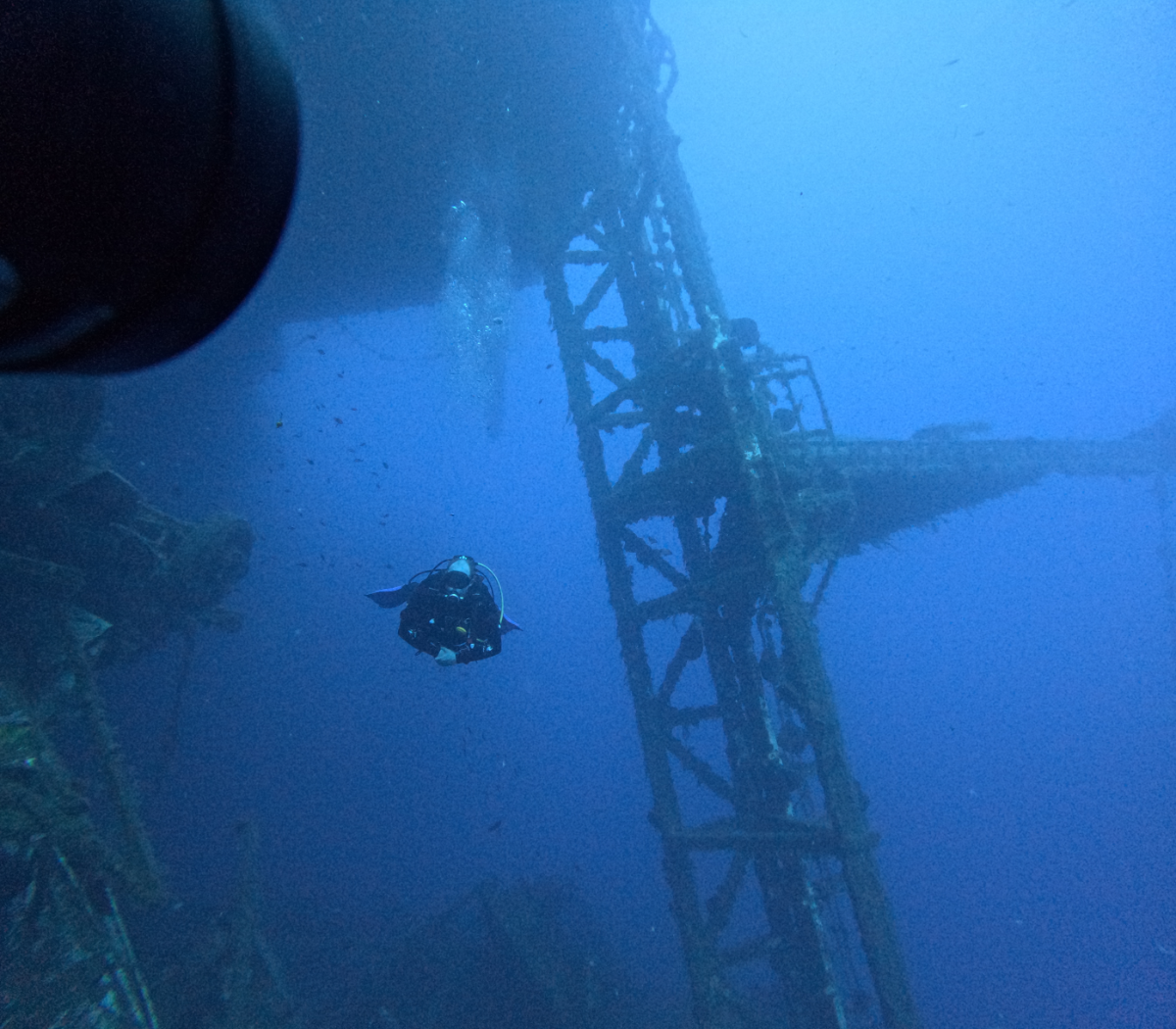
At 172 metres long, the wreck is far too large to explore properly in a single dive. Different routes reveal completely different parts of the ship.
Depending on your experience and the dive plan, you may see:
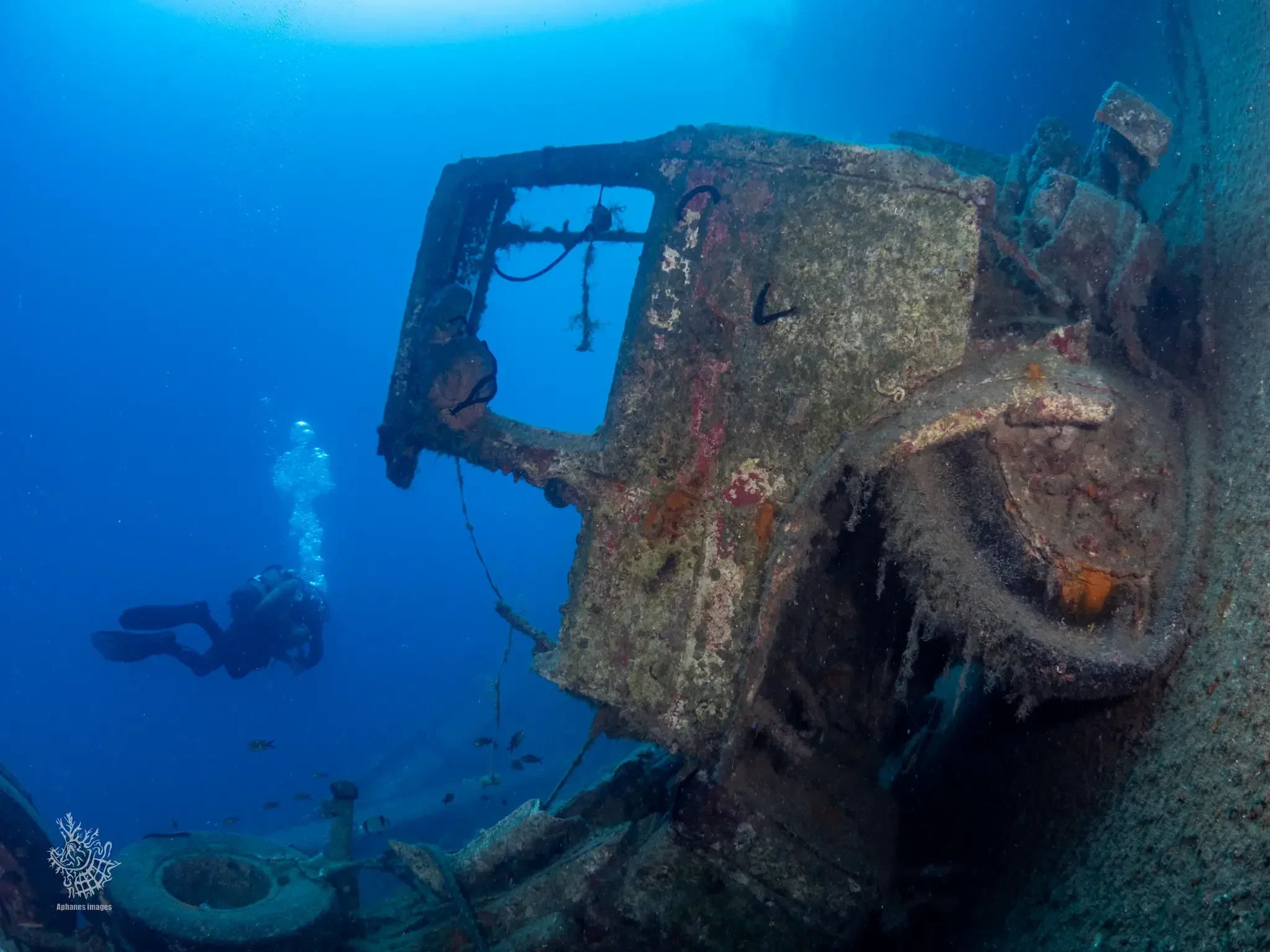
Trucks and trailers still sitting on the cargo decks
The bridge and accommodation areas
Huge propellers and the stern
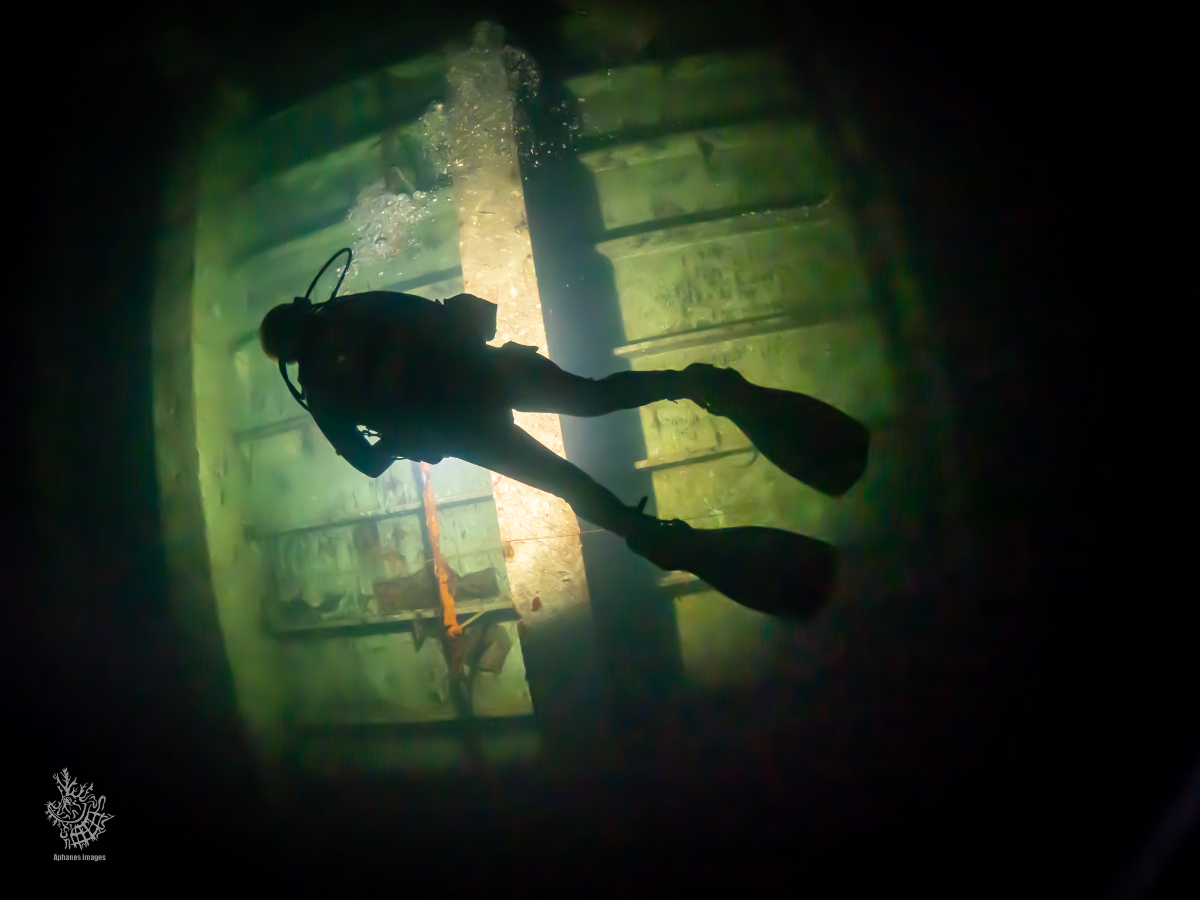
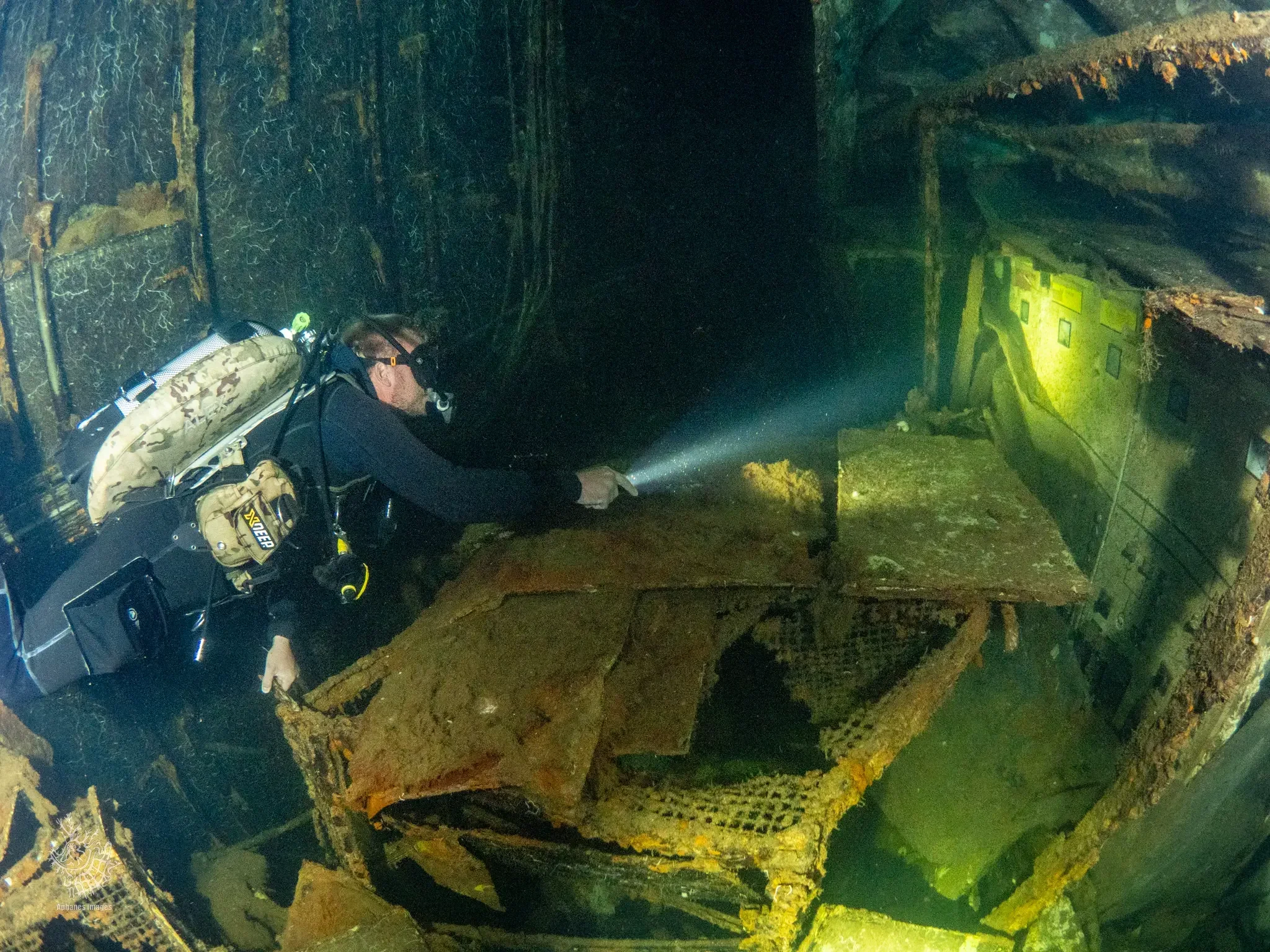
Cargo areas and machinery
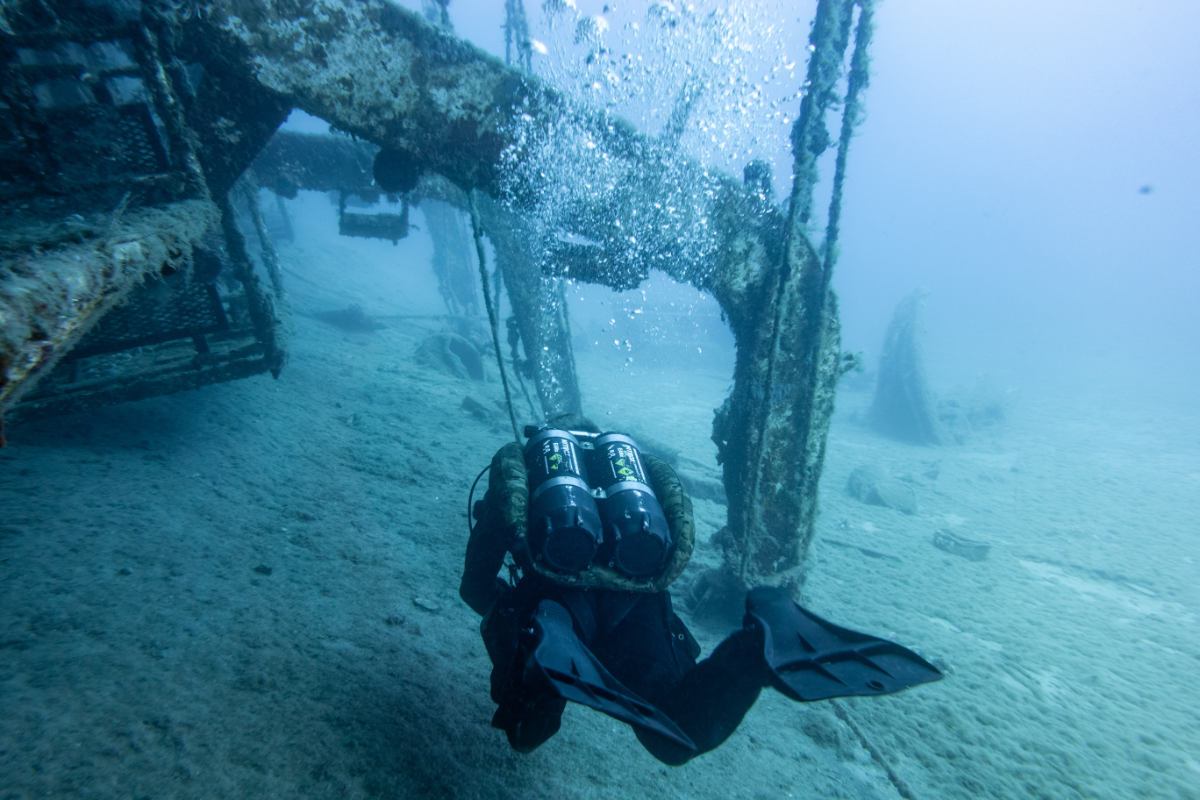
Large exterior swim-throughs
Sections of the ship that are suitable for more advanced and technical diving
Even after several dives, there is still more of the Zenobia to discover.
At Pineapple Dive Club, we run dedicated Zenobia dive trips throughout the season, giving divers the chance to explore different parts of the wreck across multiple dives. Alex, our founder has over 2,000 dives on the Zenobia with years of experience and is a true Zenobia specialist.
You can see our full wreck diving options here:
➡ Dive Experiences
What marine life can you see on the Zenobia?
After more than 40 years underwater, the Zenobia has become an established artificial reef and supports an impressive range of marine life.
Divers may encounter:
Grouper
Barracuda
Amberjack and other schooling fish
Moray eels
Sea turtles
Octopus
Nudibranchs and other smaller marine life
The marine life is one of the reasons the Zenobia remains interesting even for divers who have already explored the wreck several times.
How deep is the Zenobia wreck?
The Zenobia ranges from approximately 16 metres to 42 metres, with the deepest sections reaching around 42 metres.
That means the wreck offers different experiences depending on your certification, experience and the route being dived.
The shallower exterior sections are very different from the deeper areas and technical penetration routes inside the wreck.
Important: certification requirements can vary depending on the route, depth, conditions and type of diving planned. Your dive centre should assess your experience and certification before deciding which parts of the wreck are appropriate for you. Pineapple Dive Club requires all divers to be a minimum of Advanced Open Water.
Do you need special training to dive the Zenobia?
It depends on which part of the wreck you want to explore.
Some areas can be enjoyed by appropriately experienced recreational divers, while deeper sections and penetration routes require additional training and experience.
Courses such as Advanced Open Water/Advanced Adventure, Deep Diver, Wreck Diver and Enriched Air Nitrox can all be useful depending on the type of Zenobia diving you want to do.
Your dive centre should assess your certification, previous experience and the planned route before deciding whether a particular dive is suitable.
When is the best time to dive the Zenobia?
The Zenobia can be dived throughout much of the year, but sea conditions always play a part.
Cyprus is known for warm water and good visibility, although conditions can change from day to day. Wind, waves, currents and visibility all need to be considered when planning a dive.
For a wreck as large as the Zenobia, good conditions can make a huge difference to what you are able to see and how enjoyable the dive is.
Ready to dive the Zenobia?
If you're planning to dive the Zenobia in Cyprus and want to dive with the best, choose Pineapple Dive Club. Boasting over 2,000 dives on her and counting, our founder Alex is the true Zenobia expert.
Explore our Zenobia wreck dives in Larnaca →
Or get in touch and tell us about your diving experience. We'll help you work out which Zenobia dive is right for you.