When Is the Best Time to Dive in Cyprus?
Diving in Cyprus.
If you're planning a diving trip to Cyprus, you've already made an excellent decision. Cyprus is one of the Mediterranean's best-kept secrets for scuba diving: warm, clear water, remarkable visibility, and dive sites that range from beginner-friendly shores to world-class wrecks. But when is the best time to actually go?
The honest answer: Cyprus is diveable almost all year round. But depending on what you're looking for, whether that's warm water, maximum visibility, fewer crowds, or specific marine life, some months are better than others. Here's everything you need to know.
Cyprus Diving Conditions at a Glance
Cyprus enjoys a classic eastern Mediterranean climate: long, hot summers and mild winters. That's good news for divers, because it means the sea stays swimmable (and diveable) for a remarkably long stretch of the year.
Water temperatures range from around 16°C in winter to 28°C at the height of summer. Visibility is generally excellent year-round, often reaching 20–30 metres or more, though it can vary depending on weather and season.
Month-by-Month Diving Guide for Cyprus
January & February
Water temp: 16–17°C | Visibility: Good | Crowds: Very low
Winter diving in Cyprus is quieter and more peaceful than you might expect. The water is cooler, so a 5mm wetsuit (or even a drysuit for the cold-sensitive) is recommended. But visibility is often at its clearest, and the lack of tourists means you'll frequently have dive sites completely to yourself. Not ideal for first-timers, but experienced divers who don't mind the cold are often rewarded with exceptional conditions.
March & April
Water temp: 17–19°C | Visibility: Excellent | Crowds: Low
Spring is an underrated time to dive in Cyprus. Temperatures are warming, the sea is still very clear, and visitor numbers haven't picked up yet. This is a great window for those who want good conditions without the summer crowds. Marine life starts to become more active, and you'll often spot octopus, nudibranchs and schools of fish along the rocky reefs.
May & June
Water temp: 20–24°C | Visibility: Excellent | Crowds: Moderate
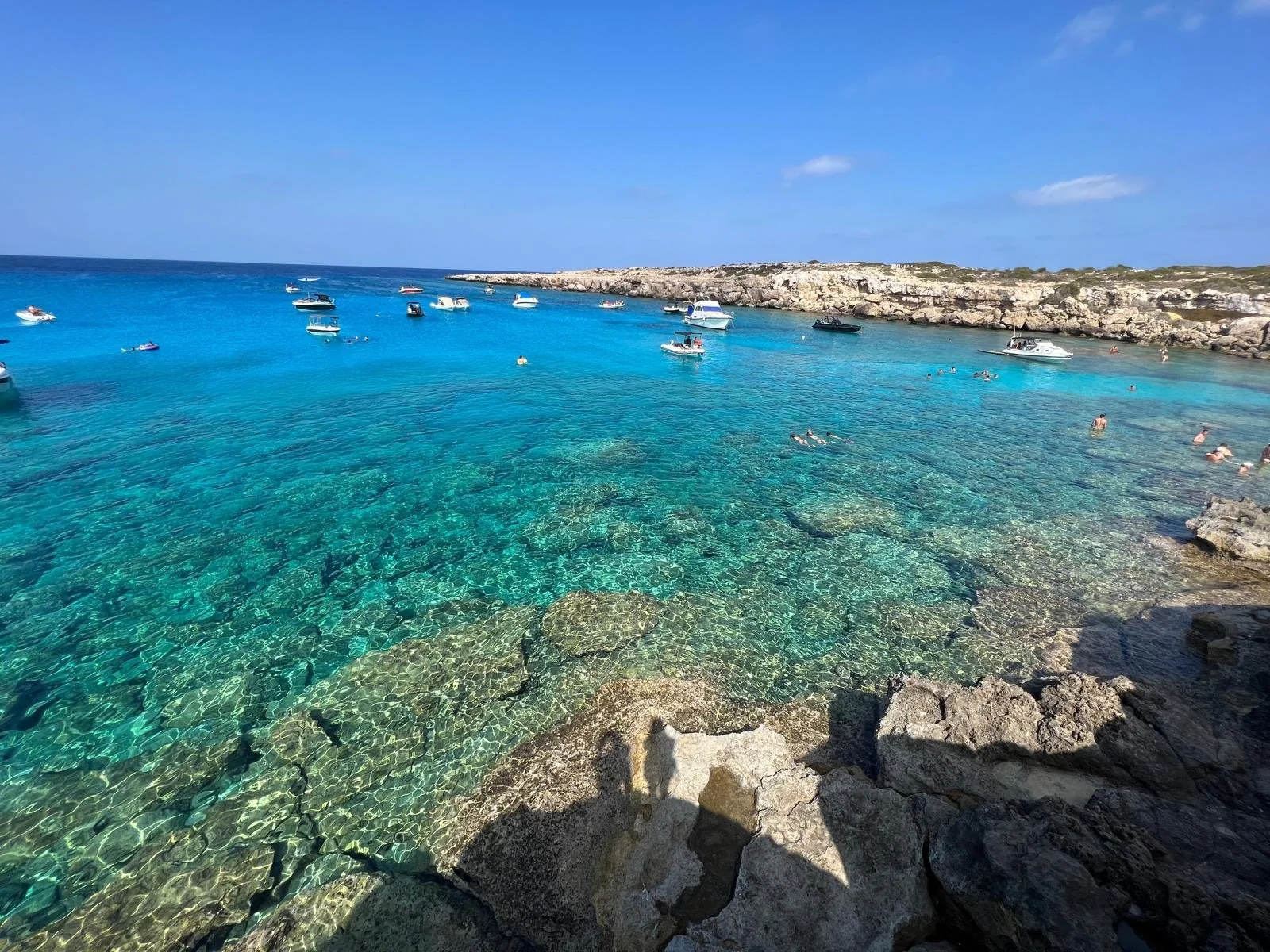
May and June are arguably the sweet spot for diving in Cyprus. Water temperatures are comfortably warm, visibility is superb, and the summer crowds haven't arrived in full force yet. If you're planning your first trip to dive the Zenobia wreck or explore the dive sites around Larnaca and the east coast, this is a fantastic window.
July & August
Water temp: 26–28°C | Visibility: Good–Very Good | Crowds: High
The peak of summer. Water temperatures are at their warmest, and you can dive comfortably in a shorty across most sites. This is when Cyprus is busiest with tourists, so dive boats and popular sites will be livelier. Visibility can drop slightly compared to spring due to increased plankton, but it's still excellent by most destinations' standards. If you're travelling with non-diving friends or family and want to combine beach time with diving, this is the season for it.
September & October
Water temp: 24–27°C | Visibility: Very Good–Excellent | Crowds: Decreasing
September and October are outstanding months for diving in Cyprus, and often cited by local dive guides as their personal favourite time of year. The water is still beautifully warm from the summer, visibility improves again as plankton levels drop, and the crowds start to thin out. You get summer conditions without the summer chaos. Highly recommended.
November & December
Water temp: 19–22°C | Visibility: Good–Excellent | Crowds: Very low
As autumn shifts into winter, water temperatures cool gradually but remain perfectly diveable, and typically warmer than the UK's sea at any time of year. Visibility is usually excellent. November and December are ideal for those who want a peaceful, uncrowded diving experience, and Cyprus's mild winter climate means you're unlikely to be stuck indoors between dives.
So, When Is the Best Time to Dive in Cyprus?
If we had to pick a single best period, May–June and September–October stand out. You get warm water, exceptional visibility, and conditions that aren't competing with peak summer crowds. That said, Cyprus really does offer good diving almost every month, it's just a question of what you're optimising for.
| Priority | Best Months |
|---|---|
| Warmest water | July–September |
| Best visibility | March–May, September–October |
| Fewest crowds | November–April |
| All-round best conditions | May–June, September–October |
| Budget-friendly travel | November–March |
What About Diving the Zenobia?
The MS Zenobia wreck, one of the top 10 wreck dives in the world, is diveable year-round from Larnaca. Being an offshore wreck sitting at 16–42 metres, conditions on the Zenobia are relatively consistent throughout the year. Summer brings warmer surface water and more ambient light on the shallower sections; winter dives are cooler but often feature incredible clarity and a more atmospheric, eerie quality that wreck divers love.
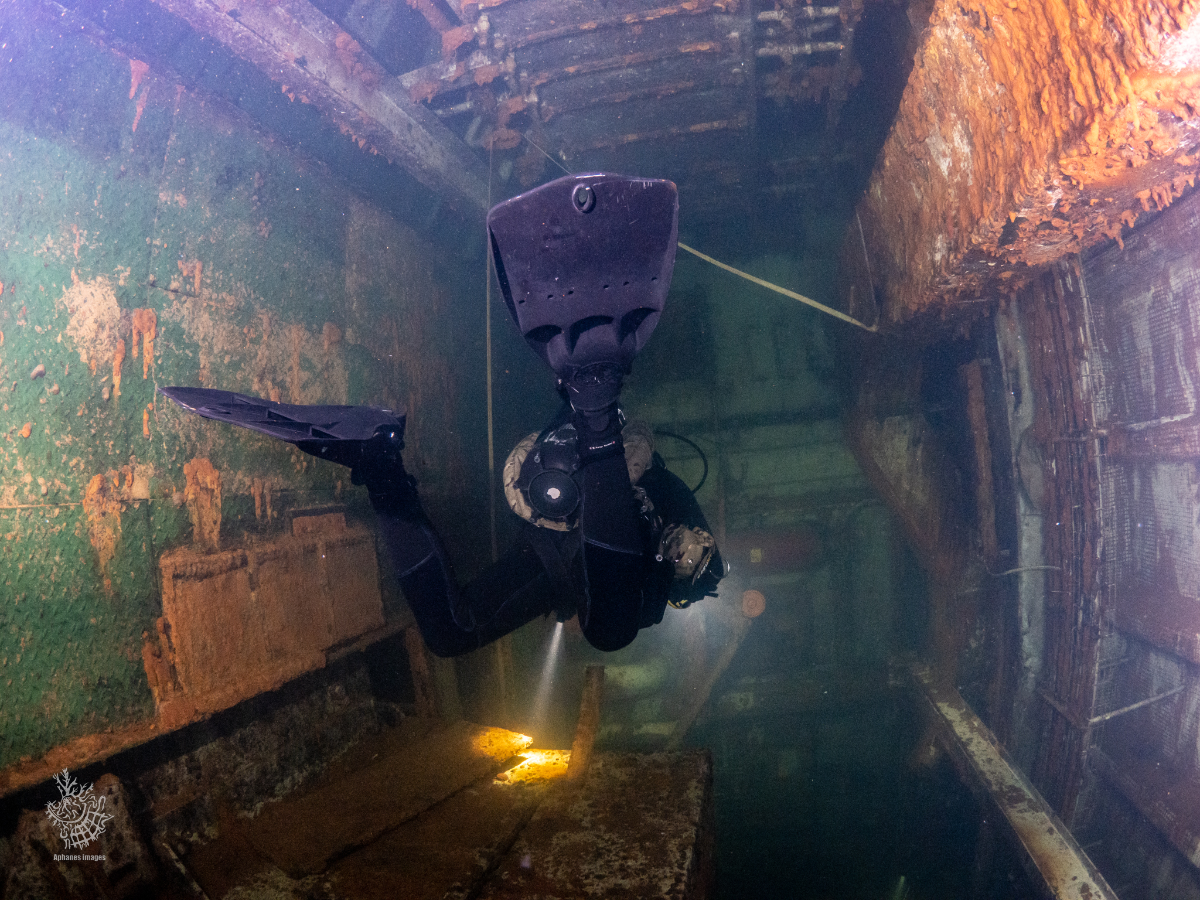
If you're specifically travelling to Cyprus to dive the Zenobia, any month between May and October gives you excellent conditions. Outside of those months, it's still absolutely doable, just pack an extra wetsuit layer.
A Note on Water Temperature & Wetsuits
Here's a rough guide to what to wear:
July–September: 3mm full wetsuit or shorty
May–June, October: 5mm wetsuit
March–April, November: 7mm wetsuit
December–February: 7mm wetsuit or drysuit
Ready to Plan Your Dive Trip to Cyprus?
Whether you're visiting in the height of summer or fancying an off-season adventure, we dive year-round from Larnaca and tailor every trip to the conditions on the day. From the iconic Zenobia wreck to shore dives along the east coast, there's always something worth getting wet for.
Browse our dive experiences or get in touch and we'll help you plan the perfect diving trip to Cyprus.
Pineapple Dive Club is based in Larnaca, Cyprus. We offer guided dives, SDI | TDI & BSAC courses, and bespoke dive packages for all experience levels.